

Data centers & mission-critical

Cooling capacity you don’t lose to the coil.

Data centers, labs, emergency operations centers and defense sites never stop cooling. Cognituv keeps coils clean between cleanings and watches the equipment that keeps you online.

Case study18 months without an air-quality complaintAerospace & defense · Modular facilities · Annapolis, MDIAQ & odorRead the case study
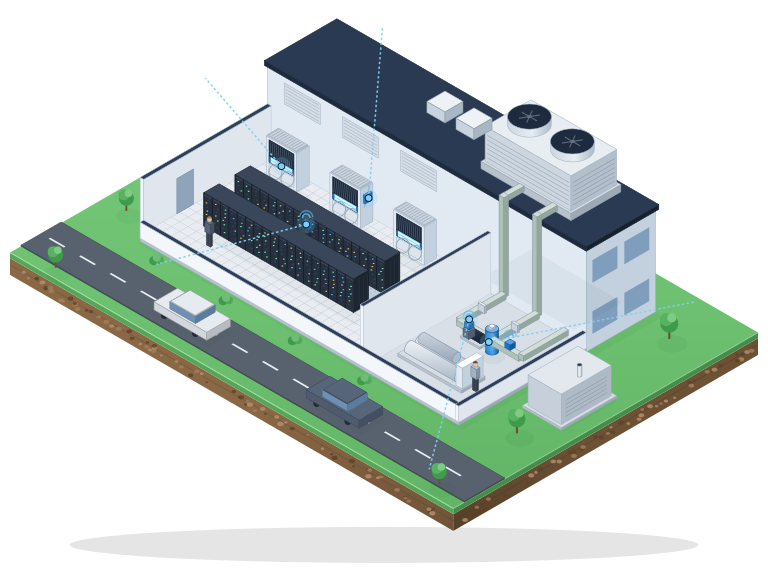
Illustration: data centers cut open, with Cognituv treatment and Cognituv Connect where they go

What’s at stake

The problems we hear most.

  • Fouled coils cost cooling capacity

    Biofilm on cooling coils raises airside pressure drop and reduces heat transfer, so fans work harder for the same cooling. ASHRAE-funded field research (RP-1738) measured both effects with and without UV-C.

  • Cleaning means downtime

    Mechanical coil cleaning takes units offline, and the fouling comes back.

  • Water systems foul too

    Cooling towers and piping grow biofilm that drives corrosion and Legionella risk. ASHRAE Standard 188 sets out how to manage it.

  • Uptime is the metric

    Bearing wear, filter loading and drifting temperatures need to show up as alerts, not outages.

Results from the field.

All case studies →
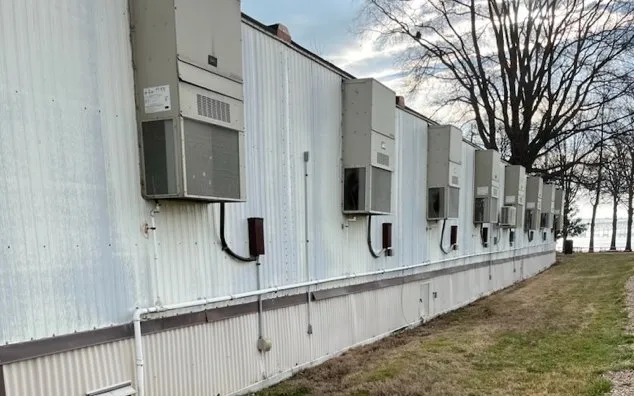
The modular buildings, with wall-mounted HVAC units along one sideAnnapolis, MD
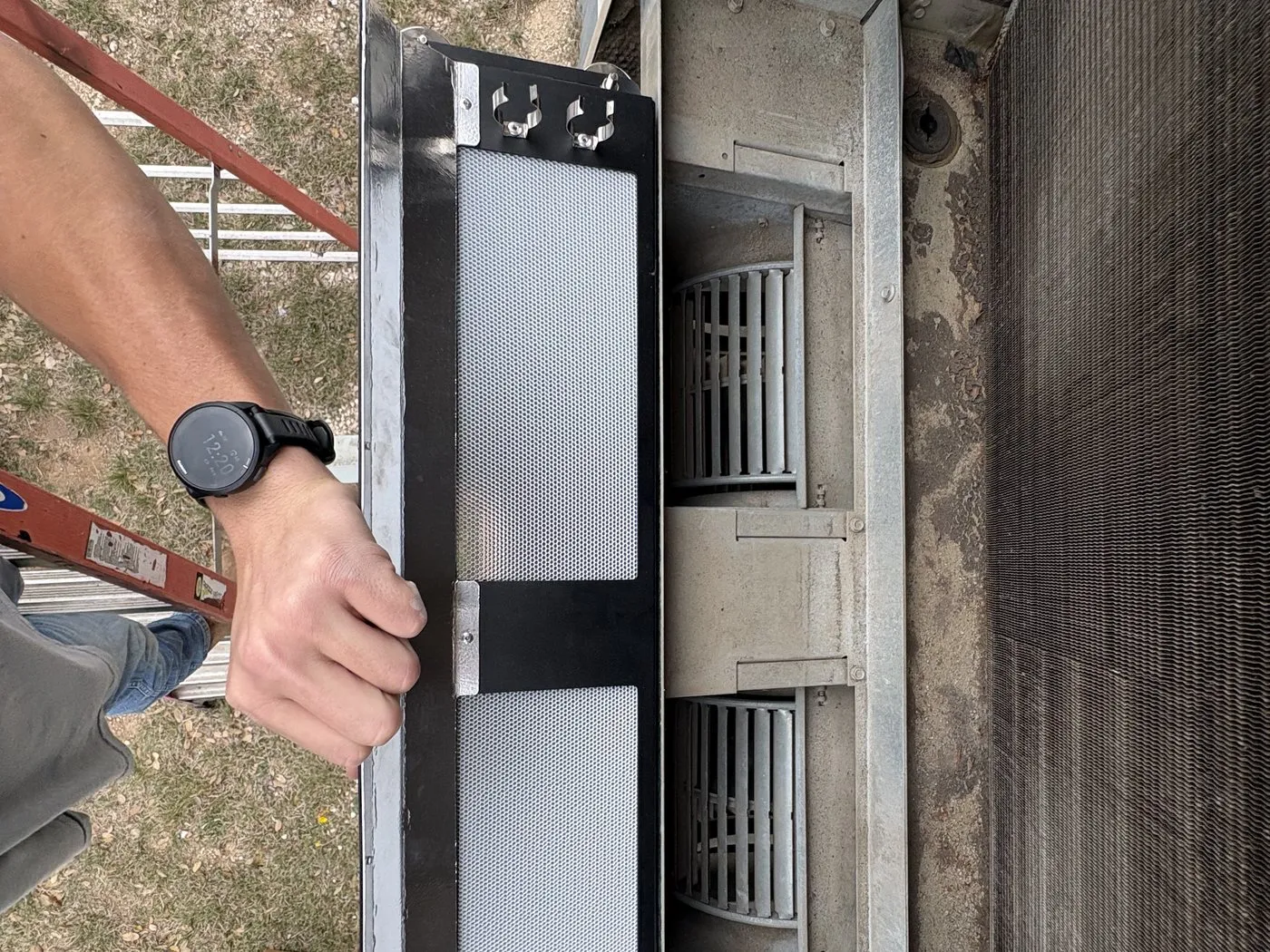
A Cognituv FreshFilter-ME sliding into one of the wall-mounted HVAC unitsInside: a wall unit
IAQ & odor

Northrop Grumman

Aerospace & defense · Modular facilities · Annapolis, MD

18 months without an air-quality complaint

Coastal modular HVAC units with a persistent musty smell. A FreshFilter retrofit stopped it — zero complaints in the 18 months since.

Read the Northrop Grumman case study →
Where Cognituv fits

What we’d install, and where.

Illustration: a computing hall and its plant cut open, with Cognituv Grid under the coil of each downflow CRAH on the raised floor (1), in-line UV-C and a water-quality probe on the condenser-water loop from the rooftop cooling tower (2), a Cognituv Connect sensor reading the pressure drop across a CRAH’s coil (3), a Cognituv Connect temperature sensor on a rack in the cold aisle (4) and a Cognituv Connect vibration sensor on the condenser-water pump (5)

Point at a line, or tap it, to light its parts in the building.

Facility types

What changes from one facility type to the next.

What we look at first, where Cognituv fits and what you get from each item, the systems we usually find and the codes and standards to check. Codes and standards are listed for reference: a listing isn’t a compliance finding, and doesn’t mean any product, Cognituv’s included, is certified to one.

Identify · Apply · Verify™

How a project runs.

  1. Identify

    Coil pressure drop, supply temperatures and equipment vibration set the baseline.

  2. Apply

    On-coil UV-C and water treatment where the data shows fouling, installed while the room stays live.

  3. Verify

    The same sensors keep reporting, so changes in pressure drop and temperature are measured, not assumed.

COIL PRESSURE DROPDesignUntreated coilWith Cognituv GridAdded pressure drop

Where we work: Data centers and server rooms, Research labs and clean rooms, Emergency operations centers, Defense and secure facilities, Telecom hubs and Trading floors.

Codes and standards

The references to check, each linked to its publisher.

The list comes from Cognituv’s facility and code library, reviewed September 2026. Publication isn’t adoption: whether a document applies, and which edition, depends on your jurisdiction, its amendments and your project, and the authority having jurisdiction decides. A listing isn’t a compliance finding for your facility, and doesn’t mean any product, Cognituv’s included, is certified to it.

See what the data says about your facility.

Start with a no-cost assessment: a call with an engineer and a written recommendation. When you want the data first, Cognituv Connect measures your own equipment, scoped and quoted for your site.

Prefer to talk? Call 1-888-580-8738

Book an assessment