

Airports & transit

Cleaner coils in terminals that never close.

Airport terminals run large air-handler fleets around the clock, and transit stations run theirs from first service to last. Cognituv keeps coils clean between cleanings, treats the airstream and measures the air where passengers wait.

Case studyMold reduced in treated AHUs, less manual laborAviation · International airport · Phoenix, AZIAQ · UptimeRead the case study
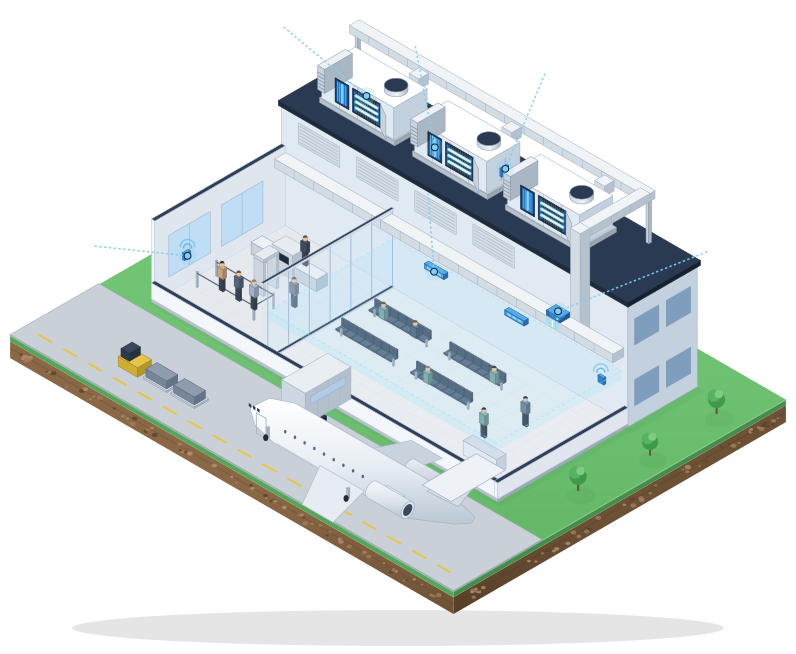
Illustration: airport terminals cut open, with Cognituv treatment and Cognituv Connect where they go

What’s at stake

The problems we hear most.

  • Coil mold comes back

    Air handlers in hot, humid or dusty climates grow mold and biofilm on their coils, and manual cleaning across a whole fleet never really ends.

  • Maintenance windows are short

    Terminals run day and night and stations run long service days, so units rarely come down for cleaning.

  • Crowds come in waves

    Gates, security lines and platforms go from empty to full in minutes, and the air handling has to keep up.

  • Passengers notice the air

    Travelers and riders judge a terminal by how it smells and feels. A measured record answers their questions.

Results from the field.

All case studies →
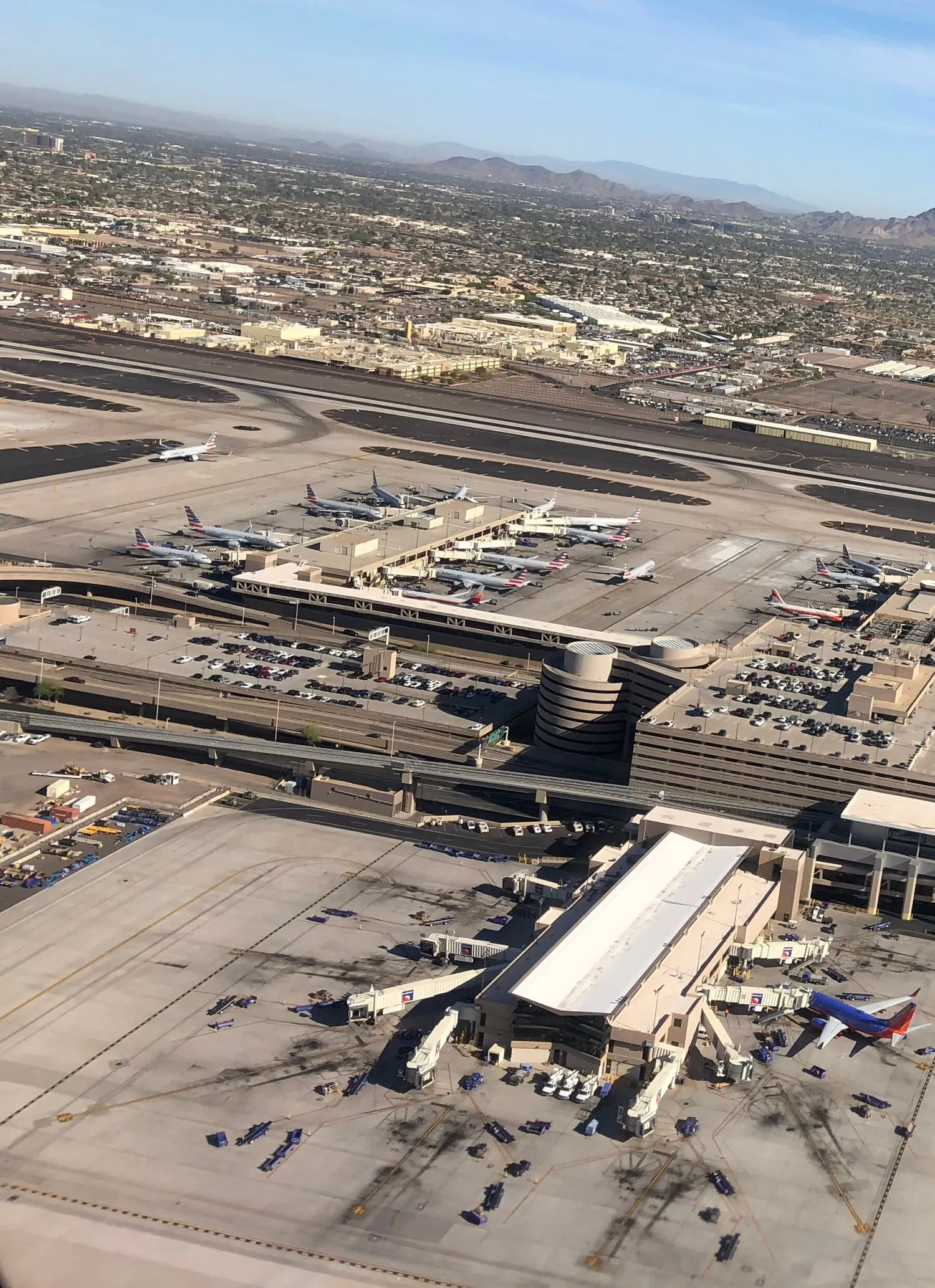
Phoenix Sky Harbor International Airport from the air: Terminal 4, its round parking garage and jets at the gates, with the city and mountains behindPhoenix Sky Harbor, PHX
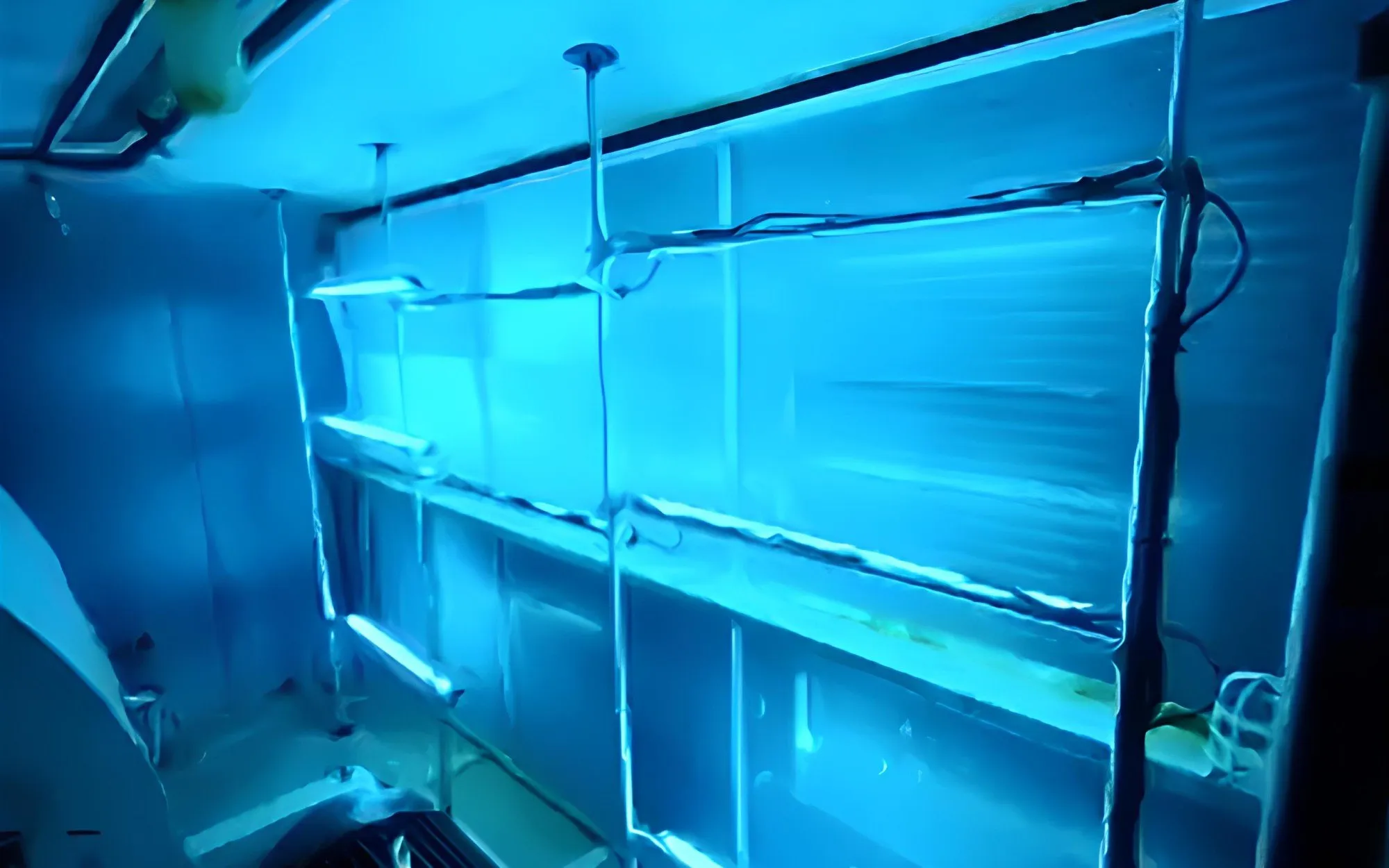
Cognituv Grid UV-C lamps lit inside one of the airport’s air handling unitsInside: the air handlers

Building photo: Vmzp85, CC BY-SA 4.0, cropped

IAQ · Uptime

Phoenix Sky Harbor

Aviation · International airport · Phoenix, AZ

Mold reduced in treated AHUs, less manual labor

Cutting manual coil cleaning led to mold and a musty terminal. On-coil UV-C reduced it, confirmed by the cleaning contractor’s own swabs.

Read the Phoenix Sky Harbor case study →
Where Cognituv fits

What we’d install, and where.

Illustration: an airport terminal cut open, with three rooftop air handlers drawing in outside air and feeding one supply duct, Cognituv Grid at the coil of each (1) and FreshFilter ahead of each coil (2), a DUCT module on the supply duct serving the concourse (3), upper-room fixtures above head height in the gate lounge (4), Cognituv Connect air-quality sensors at security and the gate (5) and a Cognituv Connect pressure sensor across an air handler’s coil (6)

Point at a line, or tap it, to light its parts in the building.

Facility types

Terminals, concourses and stations.

What we look at first, where Cognituv fits and what you get from each item, the systems we usually find and the codes and standards to check. Codes and standards are listed for reference: a listing isn’t a compliance finding, and doesn’t mean any product, Cognituv’s included, is certified to one.

  • Airport passenger terminal

    Concourses, gates, security checkpoints, concessions, offices and operations rooms, with occupancy that rises and falls with the flight schedule.

    Includes: Domestic terminal · International terminal

    We look at
    • Mold and biofilm on coils across a large air-handler fleet
    • Air at gates and security at peak times
    • Coil hygiene on units that only come down in short windows

    Where Cognituv fits and what you get

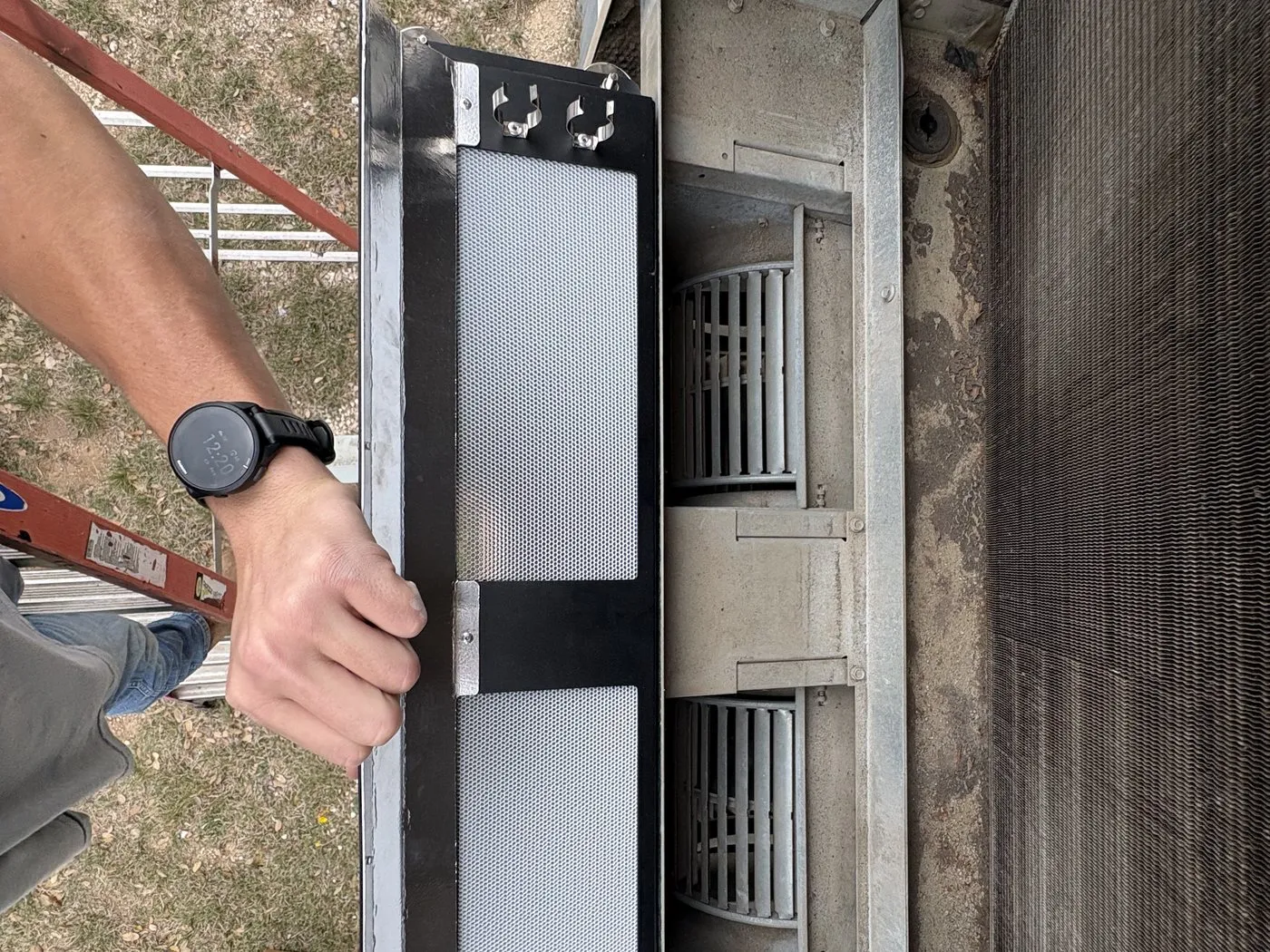
    • Cognituv GridCleaner coils across the terminal’s air handlers, on units that only come down in short windows.
    • In-duct UV-CTreatment for the long duct runs that serve a concourse, added with little downtime.
    • Upper-air & in-room UV-CUpper-room fixtures at gates and security, where passengers wait together, with no ductwork to change.
    • FreshFilterAimed at odors and VOCs, such as jet-fuel fumes drawn in with outside air.
    • Cognituv Connect: air qualityCO₂ and particulates at gates and security show which spaces crowd up, and when.
    • Cognituv Connect: coil pressureA coil that is starting to foul shows up as a rising trend, unit by unit.
    Typical systems
    Central air handlers · VAV · Chilled water · Dedicated outdoor-air systems
    IBC groups to screen
    A-2 (Assembly: dining, drinking and casino gaming) · A-3 (Assembly: other assembly) · B (Business) · M (Mercantile)
  • Rail, subway and bus station

    Passenger stations with enclosed waiting areas, platforms, tunnels and equipment rooms.

    Includes: Rail station · Subway station · Bus terminal

    We look at
    • Air in enclosed waiting areas
    • Particulates on underground platforms
    • Equipment rooms nobody visits often

    Where Cognituv fits and what you get

    Typical systems
    Tunnel ventilation · Central air handlers · Rooftop units
    Codes and standards
    IBC groups to screen
    A-3 (Assembly: other assembly)

Identify · Apply · Verify™

How a project runs.

  1. Identify

    A baseline on the units with the worst coils and the spaces with the most people, set with your maintenance team.

  2. Apply

    On-coil and in-duct UV-C rolled out unit by unit, around flight and service schedules.

  3. Verify

    Pressure drop and air quality keep reporting into Cognituv Connect, against the same baseline.

COIL PRESSURE DROPDesignUntreated coilWith Cognituv GridAdded pressure drop

Where we work: Airport terminals and concourses, Gate lounges and security, Concessions and offices, Rail and subway stations, Bus terminals and Operations and equipment rooms.

Codes and standards

The references to check, each linked to its publisher.

The list comes from Cognituv’s facility and code library, reviewed September 2026. Publication isn’t adoption: whether a document applies, and which edition, depends on your jurisdiction, its amendments and your project, and the authority having jurisdiction decides. A listing isn’t a compliance finding for your facility, and doesn’t mean any product, Cognituv’s included, is certified to it.

See what the data says about your facility.

Start with a no-cost assessment: a call with an engineer and a written recommendation. When you want the data first, Cognituv Connect measures your own equipment, scoped and quoted for your site.

Prefer to talk? Call 1-888-580-8738

Book an assessment